
B2B Cold Calling Scripts That Actually Book Meetings
By Derek Shebby · Founder, Modern Sales Training · 13-time Xerox President's Club Award winner

Quick answer: For territorial B2B reps, a cold calling script should sell the meeting. The best call usually happens after you have already been to the account, qualified it with your own eyes, and can reference why you are calling that specific business on purpose.
This is for territorial reps, not random dialers

Most cold calling advice is written for reps who sit at a desk and call through a database all day. Modern Sales Training is built for territorial reps who can physically go to businesses in their market. That changes the script. If you can walk into the account, see whether it fits your target profile, learn names, observe the environment, and then call back, your phone call should sound different from a rep calling from a purchased list.
This guidance is written for territory reps whose phone prospecting is connected to in-person business calls. A follow-up call after a visit has a different context from dialing an untouched list all day. Keep that territory reality in mind as you use the existing guidance.
The goal is to sell the meeting

The goal of the phone call is not to sell your product, your service, your equipment, your managed IT agreement, or your full solution. The goal is to sell the appointment. You are trying to earn enough interest and credibility for the decision maker to agree to a real meeting. If your talk track sounds like you are trying to close a major purchase over the phone, it is too heavy for the moment.
See phone appointment results reported by students, including five net-new appointments from 22 phone calls and an appointment booked while reading the training script.
The harder part is getting the decision maker to answer
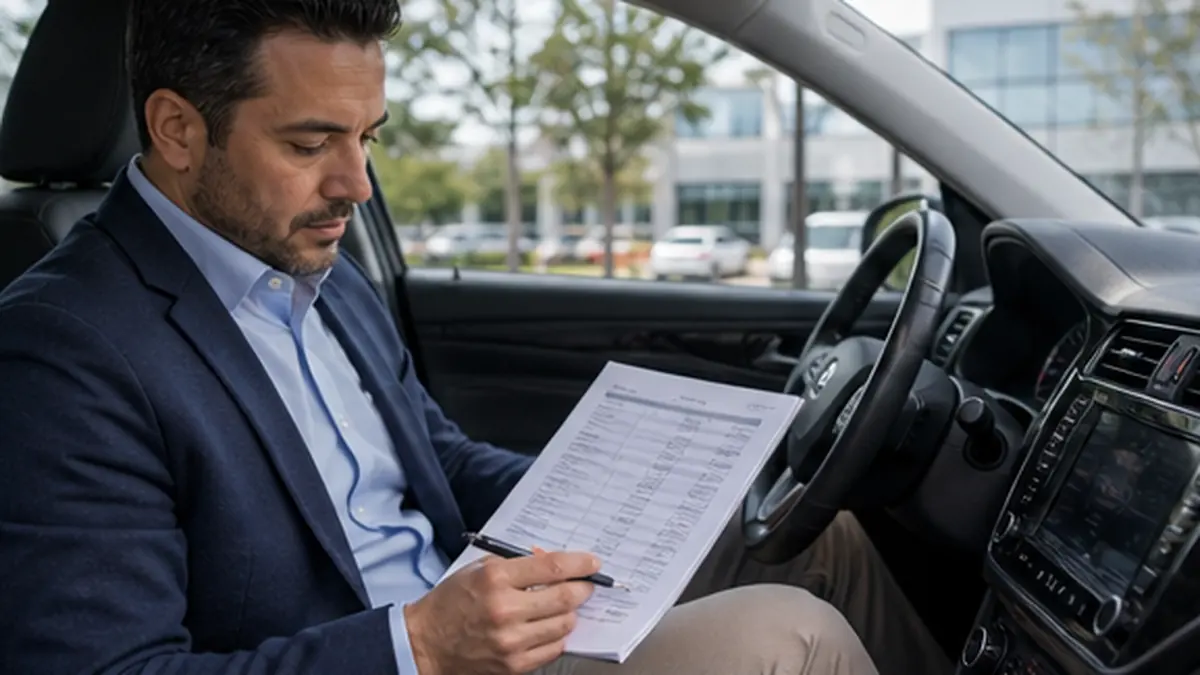
Reps often think the script is the reason they are not setting appointments. Sometimes it is. But the bigger issue is usually that they never get a real chance to pitch the decision maker. Voicemail, switchboards, front desks, direct lines that never get answered, and even AI receptionists can all keep the rep from getting to the actual conversation. A manager should spend serious coaching time on the phone prospecting process that gets the decision maker to pick up, not only on the words the rep says after they answer.
Expect a 50-50 shot when the right person picks up
If you get the decision maker on the phone and you have something relevant to say, you should expect a real chance at setting the appointment. That does not mean every call works. It means the rep should not treat the pitch like the impossible part. The impossible part is often the process before the pitch: finding the right accounts, getting through the noise, staying on the phone long enough, and continuing to call back good opportunities.
Use the Fearless Prospector sequence: List, Field, Phones
A strong phone call starts before the phone. The Fearless Prospector framework is simple: build a target list, go into the field, and then use the phone to call back qualified opportunities. You cannot fully trust a list from ZoomInfo, Apollo, Seamless, or any other data source just because it says the account exists. You should trust what you see. Does the account fit your ideal customer? Does the location look like the kind of business you can help? Did you learn anything that makes the call more specific? That is what makes the phone call stronger.
Start by referencing that you were there
The first part of the script should show that this is not a blanket cold call. If you visited the business earlier, say that. The prospecting on foot visit gives you a reason to sound specific. For example: "Hi, this is [name] with [company]. I stopped by your office yesterday and spoke briefly with [person/front desk]. I wanted to follow up because I work with companies like yours on [business issue]." That opening tells the decision maker you are calling on purpose. You are not just working down a list.
If you have not been there, reference something specific
If you have not physically visited yet, use something real you learned about the company: a location, a recent growth signal, a job posting, a service area, a current event, an industry issue, or something about their business model. The point is not to sound clever. The point is to make it obvious that you know who you are calling and why they might be worth calling.
Your value proposition should point to the appointment
You do not need a perfect script. There is no perfect script. You need a clean value proposition that explains how you help businesses like theirs and why it may be worth a meeting. Keep it specific to their industry when you can. Mention the types of companies you help, the problems they usually deal with, and why comparing notes may be useful. The value proposition should make the appointment make sense.
A useful reason to meet gets the conversation started, but the buyer will eventually need a reason to choose. Building Value explores differentiation and the value-building challenges that appear later in a competitive deal.
Say it slowly and make it sound natural
The rep should not sound like they are racing through a memorized paragraph. Speak slowly, clearly, and with purpose, almost like you are thinking through the point as you say it. Confidence matters. The buyer should feel like the rep has a reason for calling and is comfortable enough to have a normal business conversation.
Do not put too much pressure on the pitch
The pitch matters, but do not overrate it. A rep with a good enough value proposition and a good account strategy can set appointments. The manager should make sure the value proposition is smooth and clean, but the bigger coaching focus should be whether the rep has a process for getting the decision maker on the phone and whether they are calling back accounts that actually make sense.
Prepare for the Big Four objections

Every territorial rep should have good phone answers for the four most common objections: "I am not interested," "I am too busy," "We are good / we already have a vendor," and "Send me some information." The answers do not need to be complicated. They need to be calm, relevant, and aimed at getting back to the meeting. The rep should know these before they pick up the phone. For the deeper framework, see how to handle objections without discounting and the Sales Objections Simplified course module.
Keep closing for the appointment
Many reps ask for the meeting once and then drift away from it. Closing for the next step is a skill. The rep should be able to ask for the appointment more than once without sounding annoying. That means bringing the conversation back naturally: "That is exactly why I thought it might be worth comparing notes," or "That might be easier to unpack in person for ten minutes."
Offer two times, not one
When you ask for the meeting, give two specific options: "Would Tuesday at 10:00 or Wednesday at 1:30 work better?" This is cleaner than asking, "Are you interested in meeting?" The rep is still being professional, but they are also leading the next step. Appointment setting requires that kind of confidence.
How managers should coach this skill
Managers should role-play three things: how the rep gets the decision maker to pick up, how the rep opens by referencing the field visit or specific account insight, and how the rep keeps closing for the appointment after objections. The goal is not to create a perfect actor. The goal is to build a rep who can stay calm, sound relevant, and keep selling the meeting. This is the kind of repetition built into The Fearless Prospector. Managers who want a stronger coaching system can also look at the Sales Leaders Bootcamp.
Want the full training system?
This article gives reps the first layer. The Fearless Prospector, How to Prospect over the Phone, Cold Calling Scripts, and Modern Sales Performer go deeper into List, Field, Phones, call-backs, objections, and appointment-setting.
Try the Modern Sales Performer lessons freeFAQ
What should a B2B cold calling script do?
For territorial B2B reps, the script should sell the meeting. It should reference why the rep is calling that account, explain a relevant business reason, and ask for a specific appointment.
Should territorial reps cold call in person before calling by phone?
Whenever possible, yes. Visiting the account first helps the rep qualify the opportunity, learn account details, and make the follow-up phone call more specific.
What are the most common cold calling objections?
The Big Four objections are: I am not interested, I am too busy, we are good or already have a vendor, and send me some information.

About the Author
Derek Shebby
Derek Shebby is the founder of Modern Sales Training and a 13-time Xerox Sales President's Club award winner. He has trained thousands of B2B sales reps and managers, with a focus on territorial prospecting, first appointments, value building, objection handling, and sales leadership.
Self-paced courses vs live programs
The self-paced Modern Sales Training courses, including Modern Sales Performer, The Fearless Prospector, and Virtual Selling Machine, are built around timeless sales fundamentals. They give reps the core frameworks, language, and habits they can keep using for years. For the most current strategies, live coaching, market updates, and the newest AI-focused prospecting and selling ideas, reps and managers should look at the live Tier 1, Tier 2, and Tier 3 programs: Sales Bootcamp, Sales Spartan, and Sales Leaders Bootcamp.
Related Modern Sales Training resources
- Does Cold Calling Still Work?
- How to Prepare for a Great Prospecting Day in the Field
- How to Prospect over the Phone
- Sales Bootcamp
- Cold Calling Scripts & Value Propositions
- Modern Sales Performer
- Fearless Prospector Framework: List, Field, Phones
- The Fearless Prospector Course
- How to Get Past Gatekeepers
- How to Prospect on Foot
- First Appointment Sales Questions
- How to Handle Price Objections
- How to Create Urgency in Sales
- Sales Prospecting Plan
- Derek’s Published Prospecting Articles & Interviews
- Copier Sales Training