
How to Prospect on Foot: A Field Sales System for B2B Reps
By Derek Shebby · Founder, Modern Sales Training · 13-time Xerox President's Club Award winner

Quick answer: Prospecting on foot starts with a list. Every day, a territorial rep should know which accounts they are going to visit, why those accounts are worth seeing, how the route is organized, what information they are trying to collect, and when they will follow up by phone.
Every day starts with a list
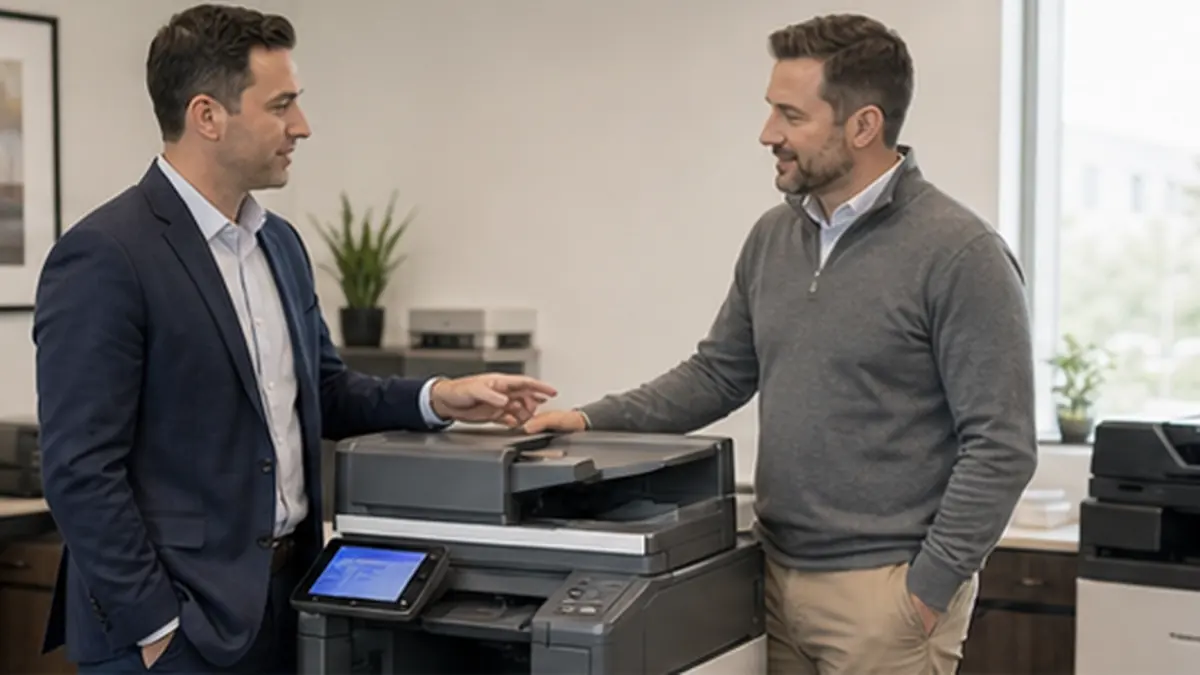
Prospecting on foot is not wandering. Every field day should start with a list of accounts the rep plans to visit. That list can come from the company's CRM, ZoomInfo, Apollo, Seamless.ai, AI research, local market research, referrals, or a manager-built target list. The tool matters less than the discipline: the rep should not leave the office wondering where to go.
Use the sequence: List, Field, Phones
The Fearless Prospector framework uses a simple sequence. Start with the list. Go into the field. Then use the phone. Field prospecting is not separate from phone prospecting. The walk-in gives the rep account intelligence, names, context, and credibility. The phone call is where many of the appointments actually get set.
A student described an in-person cold call, warm follow-up, a meeting and a competitive proposal review that led to a five-year lease. See the field prospecting and follow-up result.
Prospecting on foot is part of a connected territory approach. The in-person business cold call and the follow-up phone call work toward the same goal: earning a useful appointment with a potential customer.
Think beyond today's route
A good prospecting list should not only be a list for today. Think about the next month, the next quarter, and the best accounts in the territory. Maybe the rep is working a top 100 list. Maybe it is the top 25 accounts that would change the year if they broke in. Either way, the rep should know which accounts matter most and keep improving the list as they learn the territory.
Get your mind right before prospecting

Field prospecting also requires mindset. Rejection is part of the day, but strong field reps learn how to interpret it differently. A door that does not open, a front desk that is short with them, or a prospect who is not available does not have to be seen as failure. It can be one more step closer to the right account, the right contact, or the next useful piece of information.
Before going into the field, reps should proactively get their mind in the right place. That may mean listening to music, meditating, praying, listening to a podcast, reviewing their goals, reading something motivational, or simply reminding themselves why the work matters. The point is to take control of the mental state before the territory starts testing it. Consistent field reps do not wait until they feel confident. They build a routine that helps them stay focused, positive, and persistent when negative moments show up.
Route the day before you drive
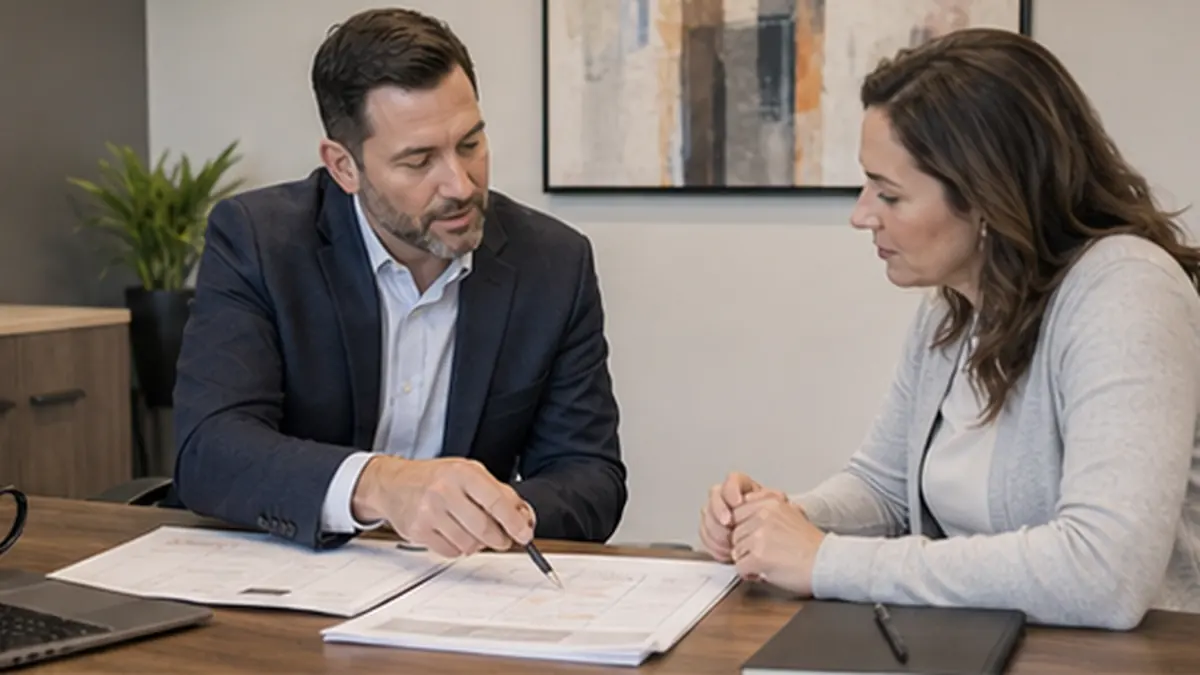
Once the list exists, route it. If the rep does not plan the route, they can waste a full day driving all over the territory. Business parks and dense office areas can be efficient, but many territories require more planning. Use a route tool, mapping software, or even a simple MapQuest-style route planner to put the addresses in an order that makes sense. The goal is to spend the day in front of prospects, not bouncing randomly between zip codes.
Only spend field time on quality accounts
A rep can burn a full day walking into businesses that were never going to buy. That is why list quality matters. Before the route starts, decide what a good account looks like: size, industry, location, employee count, current pain signals, equipment environment, growth, or operational complexity. Prospecting on foot works best when the rep is walking into accounts worth winning.
Trust what you see
Data tools can help build a list, but they cannot replace what a territorial rep sees in the field. The business may look bigger or smaller than the database suggested. The location may reveal workflow, traffic, equipment, service issues, or signs of growth. That information helps the rep decide whether the account deserves more touches.
Know the objective before you walk in
Before a rep walks into the account, they should know the objective. Sometimes the objective is information: who handles the area, whether the account is a fit, what department is involved, what vendor clues exist, or when the decision maker is usually reachable. Sometimes the objective is more direct and appointment-focused. Those are different strategies, and the rep should not confuse them.
The walk-in is often an information mission
If the objective is information, do not judge the field visit only by whether the decision maker appears. A productive walk-in may reveal the decision maker's name, the front desk contact, the department involved, the current vendor, the best time to call, or whether the account is not a fit. That is real progress because it makes the phone follow-up better.
What to say at the front desk
If the objective is information, keep it simple: "Hi, I am [name] with [company]. I was hoping you could point me in the right direction. Who handles [area] here?" Then pause. Do not turn the front desk into a full sales pitch. The language should match the objective. For the deeper gatekeeper strategy, see how to get past gatekeepers in sales.
Do not let no-soliciting signs run your territory
Be respectful, but do not let a sign make every decision for you. If the business asks you to leave, leave professionally. But many reps disqualify themselves before anyone in the account has said a word. Prospecting on foot requires courage, judgment, and professionalism at the same time.
Learn the decision-making process

During a field visit, see if you can find out how decisions are made inside the account. Who are the stakeholders? Who are the influencers? Who would be affected by your solution? Who would you eventually want to meet with? Those are the people you want to identify now, because they are often the people you will need to call back over the phone.
The phone call becomes warmer after the walk-in
The follow-up call should reference the visit. Try: "I stopped by yesterday and spoke with [name] at the front. I wanted to follow up because I work with companies like yours on [business issue]." That is much stronger than calling from a list and hoping the prospect believes you have a reason.
Plan for voicemail, but do not settle for it
Voicemail may be part of the sequence, but the goal is to reach the decision maker live. If the front desk keeps routing you to voicemail, use what you learned in the field to call at better times, ask for a different path, or reach another person around the decision. The best field reps keep navigating.
What to record after every stop
Log the account fit, front desk contact, decision maker name, department, current vendor clues, visible business issues, best call time, objection, and next action. The data matters. A field day that is not documented becomes a memory. A documented field day becomes a prospecting asset.
How managers should coach this skill
Before the route, inspect the list and ask why each account is worth a stop. Ask how the rep routed the day and whether the route protects selling time. After the route, inspect what the rep learned and which calls are scheduled next. Coach the field objective, the front-desk ask, the response to no-soliciting, and the follow-up phone opener. That is how prospecting on foot becomes repeatable. Managers who want a stronger coaching system can also look at the Sales Leaders Bootcamp.
The field visit opens the door to a sales conversation. When the buyer already has a provider, the next challenge is showing why a change is worth considering. Building Value goes deeper into differentiation and competitive B2B selling.
Want the full training system?
This article gives reps the first layer. The Fearless Prospector and How to Prospect on Foot course go deeper into List, Field, Phones, walk-ins, call-backs, and manager coaching.
See the Fearless Prospector courseFAQ
What is prospecting on foot?
Prospecting on foot is field prospecting where a territorial rep starts with a list, routes quality accounts, physically visits those accounts, gathers information, and creates a stronger phone follow-up.
How should reps plan a prospecting-on-foot day?
Reps should start with a target list, choose quality accounts, route the addresses efficiently, decide the objective for each walk-in, and schedule time to follow up by phone.
What should reps track after field prospecting?
Track account fit, names collected, front desk notes, current vendor clues, visible business issues, best call time, objections, and the next phone follow-up.

About the Author
Derek Shebby
Derek Shebby is the founder of Modern Sales Training and a 13-time Xerox Sales President's Club award winner. He has trained thousands of B2B sales reps and managers, with a focus on territorial prospecting, first appointments, value building, objection handling, and sales leadership.
Self-paced courses vs live programs
The self-paced Modern Sales Training courses, including Modern Sales Performer, The Fearless Prospector, and Virtual Selling Machine, are built around timeless sales fundamentals. They give reps the core frameworks, language, and habits they can keep using for years. For the most current strategies, live coaching, market updates, and the newest AI-focused prospecting and selling ideas, reps and managers should look at the live Tier 1, Tier 2, and Tier 3 programs: Sales Bootcamp, Sales Spartan, and Sales Leaders Bootcamp.
Related Modern Sales Training resources
- How to Prepare for a Great Prospecting Day in the Field
- How I Prepare for a Great Sales Week
- Sales Bootcamp
- How to Prospect on Foot course
- The Fearless Prospector
- Modern Sales Performer
- B2B Cold Calling Scripts
- How to Get Past Gatekeepers
- First Appointment Sales Questions
- How to Handle Price Objections
- How to Create Urgency in Sales
- Sales Prospecting Plan
- How to Use AI for B2B Prospecting
- Create a Target List Course
- Copier Sales Training