
The Fearless Prospector Process for territorial sales reps
By Derek Shebby · Founder, Modern Sales Training · 13-time Xerox President's Club Award winner
Quick answer: The Fearless Prospector Process is simple: List. Field. Phones. Build the list, cold call that list in person, then follow up by phone after the face-to-face visit.
For territorial reps, the action starts in the field. If a rep has a territory they can physically go to every day, they should be out there.
I spent 17 years in the Xerox channel. I was not selling in theory. I was in territories, in buildings, on phones, in front of gatekeepers, and in meetings where the incumbent vendor already had the relationship.
That is why I call this the Fearless Prospector Process. It focuses on the prospecting activities most reps are afraid of: cold calling in person, walking into businesses, trying to set appointments face to face, and then making the follow-up phone call after you have already been there.
The process: List. Field. Phones.
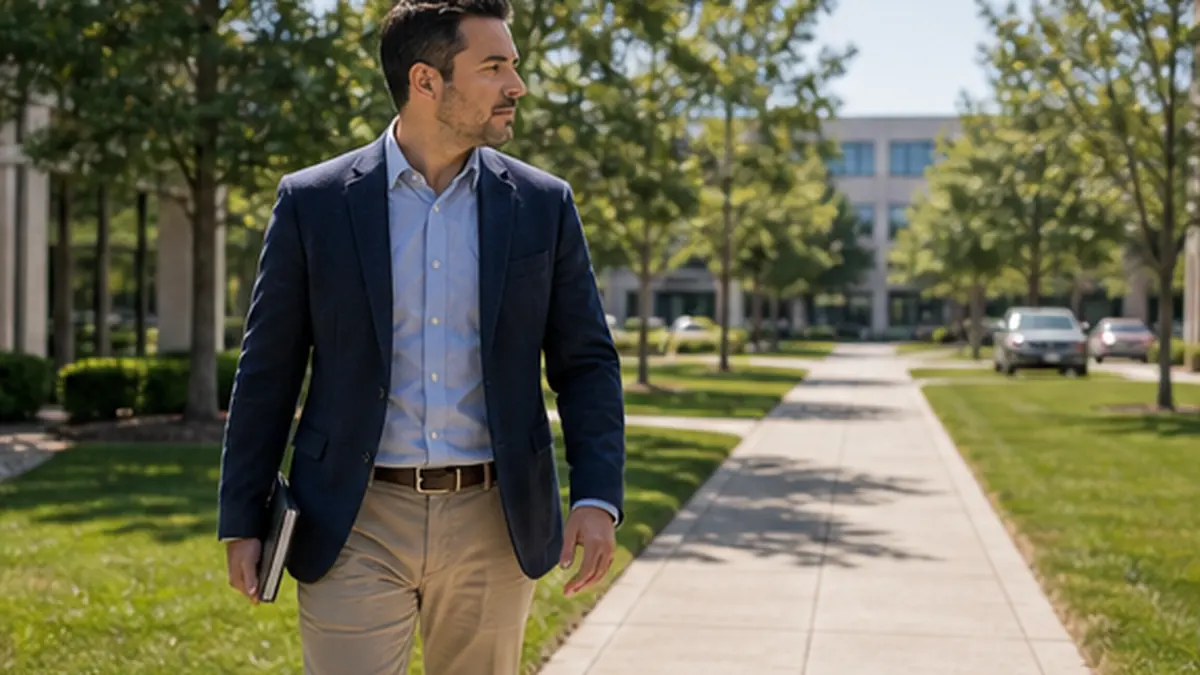
- List: create the list of companies worth visiting.
- Field: cold call that list in person and try to set an appointment.
- Phones: make the warm follow-up phone call after the in-person visit.
1. List: efficiency starts with the list
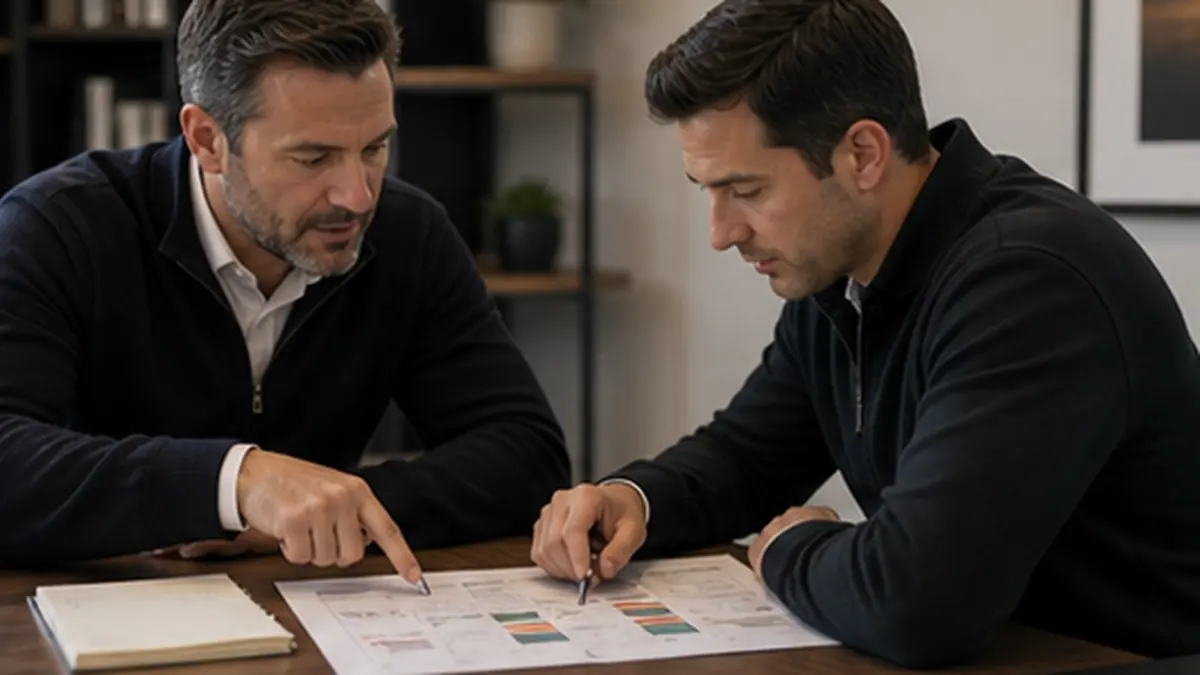
Everything starts with a list. Efficiency starts with lists. Before a rep gets in the car, they need to know which companies they are going to visit and why those companies might be worth pursuing.
The list matters quite a bit. A rep should choose types of opportunities they believe could be good fits. If they know the territory well, they should target the accounts that look like potential opportunity. If they do not know yet, they still need to build a list and get out there, because the field is where they will learn.
A list is not supposed to be perfect. It is supposed to create direction. The rep can qualify and refine the opportunity once they physically walk in.
2. Field: cold call the list in person

Once the rep has the list, the action starts in the field. They need to go to those businesses face to face and try to set an appointment.
This is the part most reps avoid. It is also the part that creates separation. When a rep physically walks into a business, they learn things they would never learn sitting behind a screen. They see the building. They see the environment. They talk to the gatekeeper. They learn whether the account looks like a real opportunity.
While they are there, they should also be qualifying. Does this company make sense to continue prospecting? Is there enough potential opportunity? Did they get a name? Did they learn who handles the decision? Did they uncover a reason to follow up?
3. Phones: make the warm follow-up call

After the field visit comes the phone call. This is not the same as a random cold call. When a rep calls back a place they physically visited in person, that is a warmer call.
They can say they stopped by. They can reference who they spoke with. They can use what they learned in the field. That makes the follow-up call more relevant than dialing from a cold list with no context.
This is the simple rhythm: build the list, go to the field, follow up by phone. List. Field. Phones.
The goal is an appointment, not a hallway sale
The rep is not trying to close a deal in the lobby. They are trying to set a real appointment or determine whether the account is worth more effort.
That distinction matters. The in-person cold call creates contact and context. The follow-up phone call turns that contact into a next step.
List. Field. Phones. connects the in-person business cold call with phone follow-up. It is the public prospecting foundation for territory reps who can physically reach the businesses in their market.
Where longer prospecting sequences fit
From there, the strategy can change depending on the size of the opportunity.
If it is a regular down-the-street territory opportunity, the core process may be enough: list, field, phones. But if it is a major account or a company the rep really wants to break into, then it may be worth building a longer prospecting sequence.
That sequence could include tailored emails, thoughtful voicemails, creative drop-offs, LinkedIn touches, referrals, handwritten notes, or other creative strategies. Those tactics are not the foundation. They are the advanced layer when the opportunity is big enough to justify the extra effort.
Why this process works for territorial sales reps
Territorial reps have an advantage many salespeople do not have: they can physically go to their market every day. They can see businesses, walk into buildings, learn the territory, and create opportunity through action.
The Fearless Prospector Process gives that action a simple structure. It keeps reps from hiding behind research. It keeps them from only sending emails. It gets them into the field, then uses the phone to create follow-up and momentum.
What managers should inspect
Managers should inspect the parts of the process that create movement: how many companies were on the list, how many were visited in the field, how many were qualified as worth continuing, how many follow-up phone calls happened, and how many appointments were set.
If the numbers are weak, the manager can coach the right part of the process. Is the list poor? Is the rep avoiding the field? Are they failing to qualify? Are they not making the phone follow-up? The process shows where the problem is.
FAQ: Fearless Prospector Process
What is the Fearless Prospector Process?
The Fearless Prospector Process is Derek Shebby's territorial B2B prospecting method: List, Field, Phones. Build a list of potential opportunities, cold call that list in person, qualify what you learn in the field, then follow up by phone.
What does List Field Phones mean?
List Field Phones means the rep starts with a target list, physically goes into the territory to cold call those companies in person, then makes a warm follow-up phone call after the face-to-face visit.
What is the best prospecting method for territorial sales reps?
For territorial B2B reps, the strongest method is List, Field, Phones because it gets the rep out of research mode and into real market activity: seeing accounts, qualifying them, meeting gatekeepers, and creating follow-up context.
When should a rep use a longer prospecting sequence?
A longer sequence makes the most sense when the account is large enough to justify the extra work. For major accounts, the process can expand into tailored emails, voicemails, referrals, LinkedIn touches, handwritten notes, and creative drop-offs.
Once you earn the appointment, the challenge shifts to helping the buyer understand why a change is worthwhile. Building Value explores differentiation and value in those competitive B2B conversations.
Where this fits in training
Prospecting is the first pillar of Sales Bootcamp. Reps learn the Fearless Prospector Process: how to build target lists, cold call in person, qualify opportunities in the field, follow up over the phone, and expand into longer sequences for major accounts.
See Sales BootcampSelf-paced courses vs live programs
The self-paced Modern Sales Training courses, including Modern Sales Performer, The Fearless Prospector, and Virtual Selling Machine, are built around timeless sales fundamentals. They give reps the core frameworks, language, and habits they can keep using for years. For the most current strategies, live coaching, market updates, and the newest AI-focused prospecting and selling ideas, reps and managers should look at the live Tier 1, Tier 2, and Tier 3 programs: Sales Bootcamp, Sales Spartan, and Sales Leaders Bootcamp.
Related Modern Sales Training resources
- How to Prepare for a Great Prospecting Day in the Field
- How I Prepare for a Great Sales Week
- The Fearless Prospector
- Sales Bootcamp
- How to Prospect on Foot course
- How to Prospect over the Phone
- How to Create a Sales Target List

About the Author
Derek Shebby
Derek Shebby is the founder of Modern Sales Training and a 13-time Xerox Sales President's Club award winner. He has trained thousands of B2B sales reps and managers, with a focus on territorial prospecting, first appointments, value building, objection handling, and sales leadership.